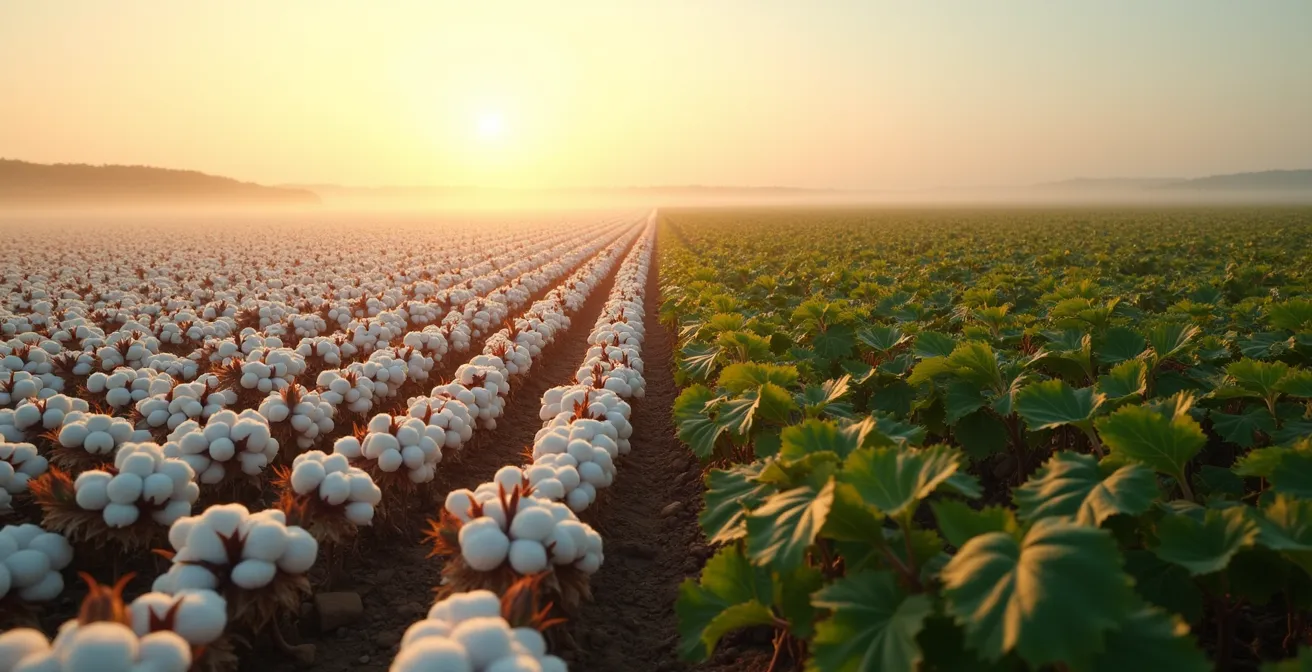
Contrary to popular belief, a “natural” fabric label doesn’t guarantee safety from toxins. This article reveals that the hidden chemical processing—not the fiber’s origin—is what truly impacts your skin and the environment. As a textile toxicologist, I will expose how to spot misleading claims, understand the science behind fabric-induced irritation, and identify genuinely non-toxic textiles for your family’s health.
As a parent or health-conscious consumer, you make deliberate choices. You see a clothing label that reads “100% Natural,” perhaps made from bamboo or conventional cotton, and you feel confident you’re choosing something pure and safe, especially for a child with sensitive skin. Yet, inexplicably, that new t-shirt triggers an eczema flare-up or feels surprisingly harsh. This frustrating disconnect is not in your imagination; it’s rooted in the vast, unregulated gap between a “natural” material and a certified “organic” one.
The common advice to simply “avoid synthetics” and “choose natural fibers” is dangerously oversimplified. It ignores the complex, often toxic, journey a fiber undertakes from the field to the final garment. A cotton plant can be natural, but its cultivation may involve a heavy dose of pesticides and its processing a cocktail of formaldehyde, softeners, and harsh dyes. This cumulative chemical load is what your skin ultimately interacts with, and the “natural” label conveniently conceals this reality.
The key to protecting your health is not to blindly trust the word “natural,” but to understand the hierarchy of textile certifications and the science of process contamination. This article will deconstruct the marketing myths. We will move beyond the superficial and equip you with the toxicological perspective needed to truly assess a garment’s safety. We will analyze how to read a label like an expert, explain why certain fabrics cause skin reactions, and reveal the hidden environmental costs behind popular materials.
This guide provides the critical knowledge to navigate the complex world of textiles. Below, we’ll explore the essential tools for identifying genuinely safe fabrics, understand the direct impact on health, and uncover the environmental truths that brands often hide.
Summary: The Toxicologist’s Guide to Decoding “Natural” vs. Organic Fabrics
- How to Read a Clothing Label to Spot Fake “Eco-Friendly” Claims?
- Why Your Eczema Flares Up When You Wear Synthetic Blends?
- Bamboo vs Organic Cotton: Which Is Actually Better for the Planet?
- How Many Gallons of Water Does It Take to Make Your Jeans?
- How to Wash Organic Cotton Without Shrinking It to a Child’s Size?
- Retinol and Vitamin C: Why Mixing Them Causes Irritation?
- What Happens to Unsold Seasonal Collections (And Why It Matters)?
- Why Your Expensive Serum Isn’t Working After 3 Months?
How to Read a Clothing Label to Spot Fake “Eco-Friendly” Claims?
The clothing label is your first line of defense, but it’s often designed to mislead. Vague terms like “eco-friendly,” “sustainable,” or “made with natural fibers” are marketing slogans, not scientific guarantees of safety. To truly understand what you’re buying, you must learn to navigate the certification hierarchy. Not all eco-labels are created equal; some offer robust, farm-to-factory verification, while others are little more than greenwashing.
The most crucial skill is to look past brand claims and search for independent, third-party certification logos. These logos act as a shorthand for complex supply chain audits. For instance, a GOTS (Global Organic Textile Standard) label is the gold standard, ensuring not only that the fibers are organic but also that the processing is free of harmful chemicals and that social standards are met. In contrast, other initiatives may focus only on a single aspect, like farming practices, while ignoring the toxic dyes and finishes applied later. Recognizing these differences is the key to separating genuinely clean garments from those masquerading as such.
Furthermore, be wary of performance claims. Phrases like “wrinkle-resistant” or “stain-repellent” are red flags for chemical treatments, often involving formaldehyde or PFCs (per- and polyfluorinated compounds), both of which are known skin and respiratory irritants. The fiber blend percentage is also a critical clue; even a small amount of synthetic fiber, like 5% elastane, renders a garment non-biodegradable and introduces plastic into the ecosystem. The following checklist provides a clear, tiered approach to interrogating a label effectively.
Action Plan: Auditing a Garment’s True Eco-Credentials
- Certification Check: Look for GOTS certification first. This is the highest standard, requiring at least 95% organic fibers and covering the entire production chain, including social criteria.
- Substance Screening: Check for an OEKO-TEX Standard 100 label as a solid middle ground. It tests the final product for a list of harmful substances but does not guarantee the fibers are organic.
- Farming Practices: Consider BCI (Better Cotton Initiative) as a baseline improvement over conventional. It focuses on better farming practices but still allows for the use of synthetic pesticides and fertilizers.
- Finishing Clues: Be suspicious of “wrinkle-resistant,” “easy-care,” or “stain-repellent” claims. These almost always indicate chemical finishes like formaldehyde that you don’t want against your skin.
- Biodegradability Analysis: Examine fiber blend percentages. Even 5% synthetic content makes a garment non-biodegradable, and experts warn that recycled polyester still sheds microplastics with every single wash.
Why Your Eczema Flares Up When You Wear Synthetic Blends?
If you or your child suffer from eczema or sensitive skin, you’ve likely noticed that certain fabrics are triggers. While synthetic fibers like polyester and nylon are often the primary culprits, the issue is more complex than a simple “natural vs. synthetic” dichotomy. The root cause is a combination of poor moisture management and, more critically, the chemical load carried by the fibers. Synthetic fabrics are fundamentally plastic; they are occlusive and non-absorbent, trapping sweat and heat against the skin. This creates a humid microclimate that can disrupt the skin’s barrier function and exacerbate inflammatory conditions like eczema.
However, even conventional “natural” cotton can cause flare-ups. This is because non-organic cotton is one of the most chemically-intensive crops in the world. Many conventional cotton fabrics retain residues of pesticides, herbicides, and defoliants used in the field. These sensitizing agents can directly trigger skin irritation and allergic reactions, especially in children, whose skin is thinner and more permeable. The processing of both synthetic and conventional cotton often involves a cocktail of toxic chemicals—dyes containing heavy metals, chlorine bleaches, and formaldehyde-based finishing agents—all of which can off-gas or leach onto the skin.
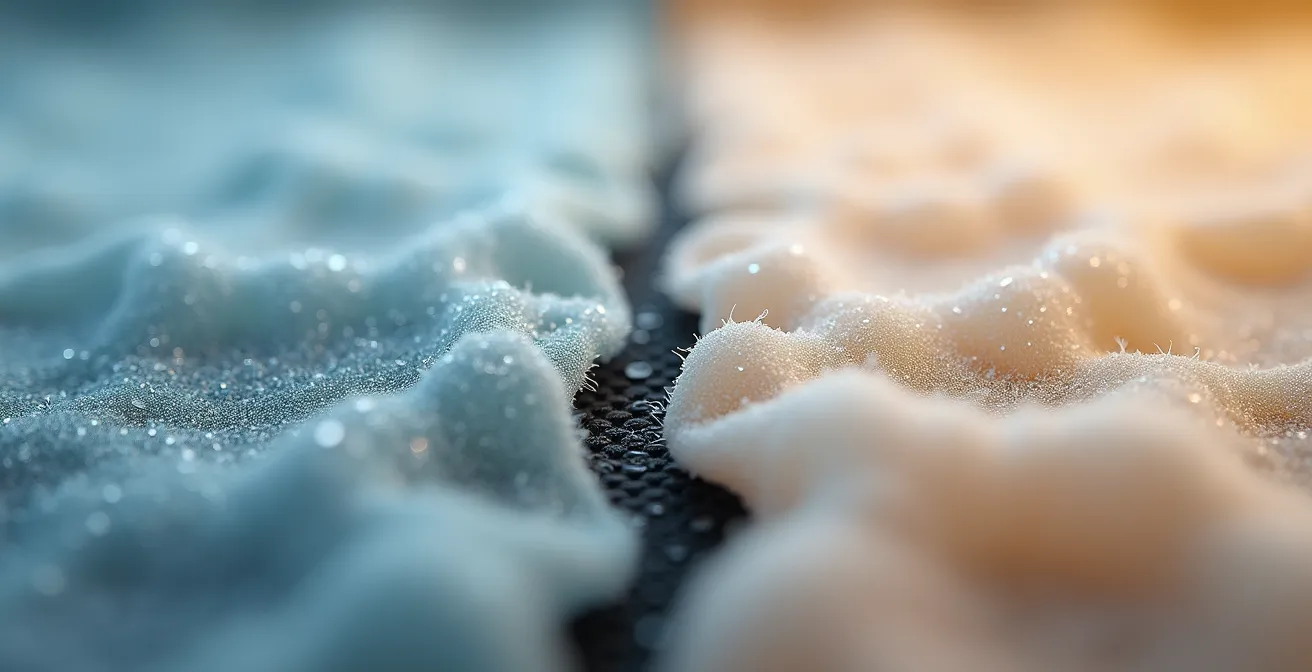
As the magnified view above illustrates, the difference in fiber structure is stark. Organic cotton fibers are soft, irregular, and breathable, allowing air to circulate and moisture to evaporate. Synthetic fibers are rigid, uniform, and non-porous. This physical difference, combined with the absence of processing chemical residues in certified organic cotton, explains why it is often the only fabric well-tolerated by those with severe skin sensitivities. Choosing GOTS-certified organic cotton isn’t just an environmental choice; it’s a critical decision for minimizing dermal exposure to known irritants.
Bamboo vs Organic Cotton: Which Is Actually Better for the Planet?
Bamboo is frequently marketed as a green super-fiber. It grows rapidly without the need for pesticides and is often touted as a sustainable alternative to cotton. However, from a toxicological and processing standpoint, this is a dangerous oversimplification. The vast majority of bamboo fabric on the market is not “bamboo” in its natural state; it is bamboo viscose or rayon. This requires an intensely chemical process to transform the hard bamboo pulp into a soft, silky fiber.
This transformation is typically achieved through the viscose process, an “open-loop” system that uses toxic chemicals like carbon disulfide (CS2). CS2 is a known neurotoxin linked to severe health problems in factory workers and it is often released directly into the environment, polluting air and water. Therefore, while the bamboo plant itself may be sustainable to grow, the fabric’s production method is anything but. This is a classic example of process contamination, where a “natural” origin story masks a toxic reality.
In contrast, certified organic cotton has a far more transparent and clean supply chain. Agricultural data shows that up to 80% of organic cotton is rain-fed, dramatically reducing its water consumption compared to irrigated conventional cotton. Most importantly, its processing is mechanically and biologically based, avoiding the harsh chemical solvents used for bamboo viscose. TENCEL™ Lyocell, another fiber derived from wood pulp, offers a better alternative by using a “closed-loop” system that recycles over 99% of its non-toxic solvent. The following table breaks down the critical differences.
| Criteria | Bamboo Viscose | Organic Cotton | TENCEL™ Lyocell |
|---|---|---|---|
| Water Usage | Low growth, high processing | Rain-fed (80%) | Low overall |
| Chemical Process | Open-loop, toxic CS2 | No chemicals in growth | Closed-loop, 99% solvent recycled |
| Carbon Sequestration | Monoculture, limited | Soil regeneration, high | Moderate |
| Biodegradability | Yes, but slower | Yes, completely | Yes, rapid |
How Many Gallons of Water Does It Take to Make Your Jeans?
The water footprint of fashion is staggering, and conventional cotton is one of the thirstiest crops on the planet. While we often focus on the water we use for drinking and sanitation, the “virtual water” embedded in our clothing represents a far greater volume. According to the World Wildlife Fund, it can take an astounding 2,700 litres of water to produce a single conventional cotton t-shirt—enough for one person to drink for almost three years. For a pair of denim jeans, the figure is even higher, often reaching thousands of gallons.
This immense water consumption occurs at two main stages. First, the irrigation of conventional cotton fields, especially in arid regions, depletes local rivers and aquifers. Second, the processing stage—particularly the dyeing and finishing of denim—uses vast quantities of water, which is then often discharged as toxic effluent. This wastewater is frequently laden with synthetic indigo dyes, heavy metals, and other chemicals, causing severe water pollution and harming aquatic ecosystems and downstream communities.
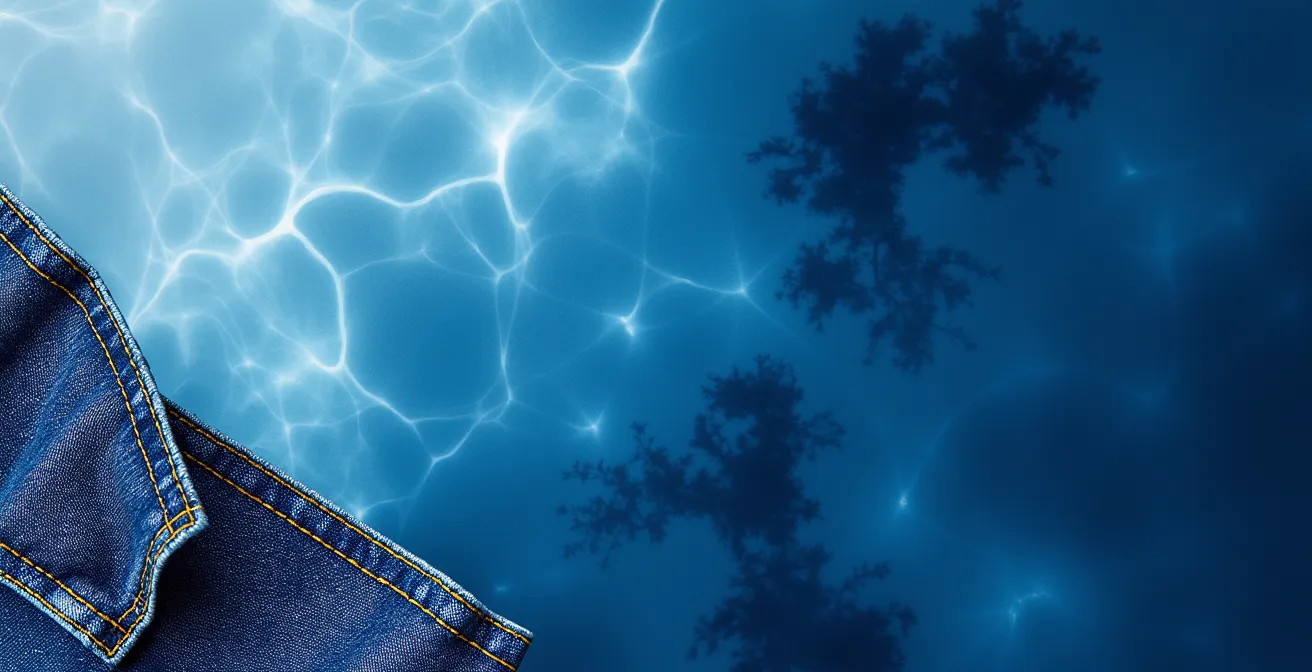
The image above metaphorically captures how dye pollutes clean water during production. This is not just an environmental issue; it is a human health crisis in many textile-producing regions. The choice of cotton type makes a significant difference. Studies show conventional cotton uses about 1,320 gallons for 1 pound of fiber. In stark contrast, GOTS-certified organic cotton is largely rain-fed, and its processing standards strictly regulate water treatment and prohibit the use of the most toxic chemicals. Recycled cotton goes a step further, requiring minimal water for its processing. Understanding this water footprint deception is crucial; a “100% Cotton” label tells you nothing about the true environmental cost.
How to Wash Organic Cotton Without Shrinking It to a Child’s Size?
Investing in high-quality organic cotton is a wise choice for both your health and the environment. However, its natural fibers behave differently from their chemically-treated conventional counterparts. Organic cotton is not treated with formaldehyde-based, anti-shrink resins, which means it is more susceptible to shrinking if not cared for properly. The key is to avoid thermal shock and harsh treatment, which can damage the fabric’s delicate fiber integrity.
High heat is the primary enemy of organic cotton. As textile care experts note, “High heat settings can damage and shrink the cotton fabric.” Heat causes the natural fibers to constrict and tighten, resulting in permanent shrinkage. This applies to both the washing and drying cycles. Using a high-heat dryer not only shrinks the garment but can also “bake” the fibers, making them brittle, less soft, and more prone to tearing over time. Gentle care is essential to preserve the longevity, softness, and shape of your organic garments.
To maintain your organic cotton items, a specific care protocol is recommended. The goal is to clean the fabric effectively while preserving the natural state of its fibers. This not only prevents shrinking but also ensures the garment remains soft and breathable for years to come. Follow these steps for optimal care:
- Pre-Soak New Garments: Before the first wash, soak new organic cotton items in cold water for about 30 minutes. This allows the fibers to relax and settle, minimizing the risk of shrinkage later.
- Wash Cold and Gentle: Always use a cold water wash on a delicate cycle. This is sufficient to clean the fabric without causing the fibers to constrict. Use a mild, plant-based detergent to avoid harsh chemicals.
- Separate Your Loads: Wash organic cotton separately from heavier or synthetic fabrics. This prevents pilling, which occurs when the soft cotton fibers rub against rougher materials.
- Reshape When Damp: After washing, gently stretch and reshape garments to their original dimensions while they are still damp.
- Air-Dry Whenever Possible: The best method is to air-dry items flat or on hangers. This completely avoids the risk of heat damage. If a dryer is necessary, use only the tumble dry (no heat) setting.
Retinol and Vitamin C: Why Mixing Them Causes Irritation?
In dermatology, it’s well-known that layering incompatible active ingredients, like Retinol and Vitamin C, can destabilize them and cause significant skin irritation. This occurs because they operate at different pH levels, and when mixed, they can disrupt the skin’s delicate acid mantle. A remarkably similar principle applies to textiles. A garment is, in effect, a “second skin,” and when it’s treated with a cocktail of incompatible chemicals, it can severely disrupt your actual skin’s health.
This is precisely the problem with conventional cotton. Its journey from field to fabric is a story of accumulating chemical layers. It begins in the field, where conventional cotton production is responsible for an enormous amount of pesticide use. The Soil Association reports that conventional cotton alone uses 16 percent of all insecticides sold worldwide. These residues don’t just disappear; they are carried into the production process.
During processing, more chemicals are added: scouring agents, chlorine bleaches, ammonia, heavy metals in dyes, and formaldehyde finishers. The final fabric becomes a complex chemical mixture. Just as mixing Retinol and Vitamin C creates an unstable, irritating product for your face, a fabric laden with this chemical load creates an unstable and irritating environment for your body. This “chemical soup” can disrupt your skin’s pH, strip its natural oils, and introduce sensitizing agents that lead to contact dermatitis and other issues. In contrast, certified organic cotton processing prohibits this entire list of toxic chemicals, creating a final product that is pH-balanced and biocompatible with your skin.
What Happens to Unsold Seasonal Collections (And Why It Matters)?
The fast fashion model is built on a cycle of rapid, high-volume production of seasonal collections. The inevitable result is a massive quantity of unsold inventory. For decades, the industry’s dark secret was the routine practice of incinerating or landfilling perfectly good, unworn clothing to maintain brand exclusivity and perceived value. While public pressure has curtailed some of this, the problem of overproduction remains, creating a colossal waste stream that has profound environmental consequences.
When these garments end up in landfills, their impact depends entirely on their material composition. A garment made of 100% certified organic cotton is fully biodegradable; it will decompose naturally, returning its organic matter to the soil without leaving toxic residues. However, the majority of clothing is not so pure. Even a small percentage of synthetic fiber, like polyester or elastane, means the garment will not fully biodegrade. Instead, the natural fibers will rot away, leaving behind a fragile plastic skeleton that persists in the environment for decades or even centuries, slowly breaking down into microplastics.
Furthermore, as these blended fabrics decompose, they leach the chemicals they were treated with—dyes, finishes, and plasticizers—directly into the soil and groundwater. This creates a long-term source of pollution. According to the World Bank, the treatment and dyeing of textiles accounts for nearly 20% of industrial water pollution globally. This pollution doesn’t end when the garment is sold; it continues as the item decays in a landfill. Choosing fabrics that are 100% natural and organically processed is therefore not just about what you avoid during the garment’s life, but also about preventing a toxic legacy after its life is over.
Key Takeaways
- The term “natural” is a marketing claim, not a scientific standard for safety; it often conceals a history of toxic chemical processing.
- True safety lies in third-party certifications like GOTS, which verify the entire supply chain from farm to finished product, unlike weaker labels.
- Skin irritation from clothing is caused by a fabric’s chemical load (pesticides, dyes, finishes) and its physical properties (like moisture-trapping synthetics).
Why Your Expensive Serum Isn’t Working After 3 Months?
Imagine purchasing a high-end, expensive facial serum, renowned for its pure, potent ingredients. For the first few months, it works wonders. Then, its efficacy seems to fade. The cause is often improper storage or use—exposure to heat or light that degrades the active ingredients. The same principle applies to premium organic cotton. You invest in a superior product for its inherent benefits, but if you don’t protect its fiber integrity, you lose the very qualities you paid for.
Top-tier organic cotton, like Pima or Egyptian cotton, is analogous to that expensive serum. Its value comes from its physical properties. As the Sustainable Jungle editorial team notes in their analysis, “These longer individual cotton fibers make them a better quality (softer and silkier), and far more durable and resistant to wrinkles, fraying, and tearing than normal cotton.” This superior durability and softness are intrinsic to the long-staple fiber itself. It’s not the result of chemical softeners or wrinkle-resistant finishes. It’s pure, mechanical quality.
These longer individual cotton fibers make them a better quality (softer and silkier), and far more durable and resistant to wrinkles, fraying, and tearing than normal cotton.
– Sustainable Jungle Editorial Team, Benefits of Organic Cotton Analysis
However, just like a serum, this quality is fragile. Washing it in hot water or blasting it in a high-heat dryer is the equivalent of leaving your Vitamin C serum in a sunny window. The heat damages and breaks down those long, beautiful fibers, causing the garment to feel less soft, become brittle, and lose its shape. Moreover, the environmental benefits are also significant; impact studies show that organic cotton uses 62% less energy than traditional cotton. By using improper care methods that rely on high energy consumption, you negate some of the product’s inherent environmental advantages. Protecting your investment in organic cotton means protecting its fibers from the degrading effects of heat and harsh chemicals, ensuring it delivers its “active benefits” for years, not just months.
By shifting your focus from the “natural” marketing myth to the verifiable science of organic certification and proper care, you can make choices that genuinely protect your family’s health and the planet. The next logical step is to begin auditing the clothes you already own and make more informed decisions on your next purchase.
Frequently Asked Questions About Organic and Blended Fabrics
Can 100% organic cotton biodegrade completely?
Yes, pure organic cotton is fully biodegradable and will decompose naturally without leaving harmful residues in soil or water. It returns to the earth as organic matter, completing a natural cycle.
What happens to cotton-polyester blends in landfills?
Because cotton is often mixed with synthetic fabrics like polyester, these blended garments are not fully biodegradable. The cotton portion will decompose, but the synthetic polyester skeleton will remain, fragmenting into microplastics over time.
How long do synthetic-blend fabrics persist in the environment?
Blended fabrics with even small amounts of polyester or other synthetics can persist for decades to hundreds of years. Throughout their slow decomposition, they can leach dyes, chemical finishes, and microplastics into the surrounding soil and groundwater.