
Telemedicine’s true power isn’t just closing distances; it’s fundamentally redesigning rural healthcare into a more proactive, patient-led system.
- It transforms patients from passive recipients to active partners by providing tools for better self-advocacy and data preparation.
- It creates a new hybrid ecosystem where virtual and in-person care work together, optimizing resources and improving outcomes for complex conditions.
Recommendation: Residents and administrators should focus on building skills and systems for data-driven dialogue, not just on implementing the technology.
The gap in healthcare access between urban centers and rural communities is one of the most persistent challenges in public health. For millions, geography dictates the quality of care, with vast distances creating barriers to seeing primary physicians, let alone specialists. For years, the conversation around solving this has been dominated by efforts to bring more clinics or doctors to underserved areas—a slow and often unsustainable approach.
The common narrative presents telemedicine as a straightforward substitute: a way to save on travel time and get a consultation with a specialist hundreds of miles away. While true, this view is incredibly limited. It frames remote care as a mere convenience, a digital patch on a broken system. It misses the revolutionary potential of the technology to fundamentally alter the relationship between patients and providers.
But what if the true solution isn’t just about replacing a car ride with a video call? What if telemedicine is a catalyst for a complete redesign of the rural healthcare ecosystem? This is a shift from a reactive, provider-centric model to a proactive system built on patient agency and data-driven dialogue. It’s about empowering individuals in remote areas to become active participants in their own health journey, armed with better information and tools for self-advocacy.
This article moves beyond the surface-level benefits to explore how this systemic change is taking place. We will examine the practical steps patients can take to ensure their voices are heard, the critical security considerations for building trust, and the emerging hybrid models of care that are proving more effective than either virtual or in-person visits alone. It’s a vision of a more equitable and resilient healthcare future for everyone, regardless of their zip code.
To navigate this new landscape, it is essential to understand both the opportunities and the responsibilities that come with this technological shift. The following sections provide a detailed roadmap for patients and administrators alike, covering everything from preparing for a virtual visit to understanding the financial and security structures that make it all possible.
Summary: A Guide to the New Rural Healthcare Landscape
- How to Prepare for a Doctor’s Video Call to Get an Accurate Diagnosis?
- The 3 Symptoms You Should Never Trust to a Video Call
- Is Your Health Data Really Safe on Free Telehealth Apps?
- Video vs Text Therapy: Which Is More Effective for Anxiety?
- How to Get Full Reimbursement for Telehealth Visits?
- TLS vs End-to-End Encryption: Why Gmail’s Security Isn’t Enough?
- How to Get Your Doctor to Listen to Your Symptoms?
- The Blood Tests Your Doctor Doesn’t Order (But Should)?
How to Prepare for a Doctor’s Video Call to Get an Accurate Diagnosis?
A successful telehealth appointment is not a passive experience; it is a collaboration. Unlike an in-person visit where a doctor can use physical cues and tests to guide the conversation, a virtual consultation relies heavily on the information you provide. This is where patient agency becomes a powerful tool for improving diagnostic accuracy. By preparing strategically, you transform the appointment from a simple Q&A into a data-driven dialogue, ensuring your concerns are addressed efficiently and effectively.
The key is to shift your mindset from being a passive recipient of care to an active partner in your diagnosis. This involves organizing your health story in a clear, concise manner that a physician can easily digest. Documenting a timeline of your symptoms, gathering any available vital sign data, and prioritizing your top concerns are not just administrative tasks; they are acts of empowerment. This preparation ensures that the limited time of the appointment is focused on analysis and planning, rather than basic information gathering.
Furthermore, creating a conducive environment—a quiet, well-lit space with a stable internet connection—is critical. Technical glitches or poor visibility can obscure important details. By testing your setup beforehand, you minimize potential disruptions and allow the clinician to focus entirely on you. Having all your medications and supplements ready to show on camera also eliminates ambiguity and ensures the doctor has a complete picture of your health regimen. This level of preparation is the foundation of a successful virtual consultation.
The 3 Symptoms You Should Never Trust to a Video Call
While telemedicine expands access to care, it is not a universal replacement for in-person examinations. Recognizing its limitations is crucial for patient safety and is a key part of a well-designed healthcare ecosystem. The most significant limitation is the inability to perform a physical exam, which is essential for diagnosing conditions that require tactile feedback, direct observation with specialized equipment, or immediate intervention. Trusting certain symptoms to a video call can lead to misdiagnosis or delayed treatment for serious issues.
Rather than a fixed list of symptoms, the guiding principle should be: any condition where a physical touch, a specific test, or a three-dimensional view is necessary requires an in-person visit. This includes symptoms like sudden, severe pain (especially in the chest or abdomen), which could signal a life-threatening event like a heart attack or appendicitis. Similarly, symptoms of a neurological event, such as sudden weakness, numbness, or difficulty speaking, require immediate physical evaluation to rule out a stroke. Finally, any significant injury, such as a deep cut requiring stitches or a suspected broken bone, cannot be adequately assessed or treated remotely.
Research continues to refine which conditions are suitable for remote care. For instance, studies on telepsychiatry have shown immense success for many mental health conditions. However, the same research confirms that certain complex conditions that often require physical observation to rule out other causes remain challenging for purely remote diagnosis. The most effective healthcare systems use a hybrid model, leveraging telemedicine for consultations, follow-ups, and mental health, while ensuring clear pathways for patients to receive hands-on care when specific red-flag symptoms appear. This balanced approach ensures both convenience and safety.
Is Your Health Data Really Safe on Free Telehealth Apps?
The rapid adoption of telehealth has brought convenience, but it has also opened a new frontier for data security risks. When using any digital health service, especially free ones, it’s essential to look beyond marketing claims of “security.” The healthcare sector has become a prime target for cybercriminals, with sobering statistics revealing the scale of the problem. For instance, 550 healthcare-related hacks affecting 166 million people occurred in the United States in 2024 alone. This highlights a systemic vulnerability that requires patients to be vigilant.
A common misconception is that “HIPAA-compliant” is synonymous with “private.” HIPAA (Health Insurance Portability and Accountability Act) sets the legal minimum for protecting health information, but it doesn’t prevent a company from using your data in ways you might not expect. Many free apps generate revenue by aggregating and selling anonymized user data to pharmaceutical companies, insurers, and data brokers. While your name might be removed, your health patterns contribute to a valuable dataset. True privacy, in contrast, means the platform has an explicit policy against monetizing or sharing your data in any form, anonymized or not.
To ensure your data is genuinely safe, you must become a discerning consumer. Look for platforms that offer end-to-end encryption, which ensures that only you and your provider can access the content of your communications. Scrutinize the privacy policy for clear language about data sharing and monetization. Reputable platforms often undergo regular third-party security audits and are transparent about their data retention and deletion policies. Building systemic trust in telehealth requires this level of transparency from providers and a healthy dose of skepticism from users.
Video vs Text Therapy: Which Is More Effective for Anxiety?
The expansion of telemental health has introduced new modalities for therapy, primarily video and text-based platforms. The question of which is “more effective” for anxiety doesn’t have a single answer; rather, the effectiveness depends on the type of anxiety, patient comfort, and therapeutic goals. Video therapy excels at building a personal connection, as the therapist can observe body language and somatic cues, which are often critical in treating conditions like social anxiety or phobias. The face-to-face interaction, even virtually, can be essential for exposure therapy and practicing social skills.
On the other hand, text-based therapy offers a degree of anonymity that can encourage greater openness, particularly for individuals with Generalized Anxiety Disorder (GAD) who may feel self-conscious or find it easier to articulate their thoughts through writing. This format creates a searchable log of cognitive patterns, allowing both the patient and therapist to review conversations and identify recurring negative thoughts or triggers. The possibility of daily check-ins also provides a continuous support system that can be more effective for managing day-to-day anxiety than weekly appointments.
The most forward-thinking providers are moving beyond an either/or debate and embracing a hybrid model. A 2024 survey showed that an overwhelming 83% of physicians want telemedicine to be permanent, with psychiatrists showing 90% support. The study revealed that hybrid approaches, which combine video sessions for relationship-building with text-based monitoring for daily support, yield the best patient adherence and outcomes for anxiety disorders. This demonstrates the power of a redesigned healthcare ecosystem that tailors the tool to the patient’s specific needs.
This table offers a clear comparison of the two modalities:
| Aspect | Video Therapy | Text Therapy |
|---|---|---|
| Best For | Phobia exposure, social anxiety practice | Generalized Anxiety Disorder (GAD), thoughtful responses |
| Therapist Insights | Can observe body language and somatic cues | Creates searchable log of cognitive patterns |
| Patient Comfort | More personal connection | Greater anonymity may increase openness |
| Session Frequency | Weekly scheduled appointments | Daily check-ins possible |
| Cost Range | $80-200 per session | $40-80 per week unlimited |
How to Get Full Reimbursement for Telehealth Visits?
For telemedicine to be a sustainable solution for the rural healthcare crisis, it must be financially accessible. Navigating the complexities of insurance and Medicare reimbursement is a critical challenge for both patients and providers. Securing full reimbursement is not automatic; it requires meticulous documentation and a clear understanding of evolving regulations. Small errors in coding or documentation can lead to claim denials, creating financial burdens that undermine the system.
Providers must be diligent in using the correct billing codes. This includes documenting the appropriate Place of Service (POS) code—such as POS 02 for telehealth provided outside the patient’s home or POS 10 for services delivered in the patient’s home. Additionally, specific CPT and Medicare modifiers are often required, especially for Federally Qualified Health Centers (FQHCs) and Rural Health Clinics (RHCs). The current Medicare policy, for example, sets a $94.45 single payment rate for RHCs/FQHCs using code G2025, but accessing it depends on perfect compliance with these coding rules.
The process demands a systematic approach to documentation, from verifying provider eligibility under current telehealth waivers to capturing precise session details like start/end times and technology used. For patients, the most powerful step is to request pre-authorization from the insurer before the visit. Obtaining a reference number confirms that the specific service is covered, preventing unexpected bills later. This financial groundwork is as crucial as the medical preparation for the appointment itself.

As the image suggests, successful reimbursement is a matter of organized, systematic documentation. Each code and form represents a step in ensuring the financial viability of the telehealth ecosystem. For providers in rural areas, mastering this process is essential for keeping their doors open and continuing to serve their communities.
TLS vs End-to-End Encryption: Why Gmail’s Security Isn’t Enough?
In the dialogue about telehealth data security, not all encryption is created equal. Many people assume that if a service uses encryption, their information is completely private. However, there is a fundamental difference between Transport Layer Security (TLS), the standard used by services like Gmail, and End-to-End Encryption (E2EE), the gold standard for confidential communication. Understanding this difference is vital for anyone sharing sensitive health information online.
TLS protects your data while it’s in transit between your device and the company’s server, and again between their server and the recipient’s server. However, the service provider itself (like Google or Microsoft) holds the keys and can access the unencrypted content on its servers. This is often done for legitimate reasons like spam filtering or ad targeting, but it creates a point of vulnerability. The National Institute of Standards and Technology (NIST) offers a powerful analogy to explain this, as noted in their Cybersecurity Framework Healthcare Guidelines:
TLS is like a secure mail truck carrying a postcard—the mail carrier can still read the message. End-to-End Encryption is a sealed letter that only sender and receiver can open.
– National Institute of Standards and Technology, Cybersecurity Framework Healthcare Guidelines
End-to-End Encryption ensures that only the sender and the intended recipient can read the message. The service provider has no way to decrypt the data on its servers. This is the level of security required for true privacy in a healthcare context. When a telehealth platform claims to be secure, it is crucial to verify whether they offer E2EE. This is a non-negotiable feature for protecting the sanctity of the patient-provider relationship in a digital age.

The visual metaphor is clear: one method offers a sealed promise of privacy, while the other leaves your information potentially exposed. For sensitive health conversations, choosing a platform with the right kind of security is paramount.
How to Get Your Doctor to Listen to Your Symptoms?
In the context of a brief telehealth appointment, making a clear and compelling case for your symptoms is more critical than ever. The physician shortage in rural communities means rural areas have only 5.1 primary care physicians per 10,000 residents compared to 8.0 in urban areas, leading to compressed appointment times. To be heard, patients must adopt strategies to present their information with maximum impact. This is not about being demanding; it’s about facilitating an efficient and accurate diagnostic process.
The key is to create a powerful “digital first impression.” Instead of a rambling narrative, lead with a concise, three-point summary: your main symptom, its duration, and its primary impact on your life. This immediately orients the doctor to your chief complaint. It is also vital to use objective, descriptive language. For example, instead of saying “I feel tired,” describe the functional impact: “I can’t walk up a flight of stairs without becoming breathless.” This gives the clinician a measurable benchmark to assess severity and changes over time.
Finally, a proactive approach involves guiding the conversation toward a clear outcome. After presenting your symptoms, ask clarifying questions like, “What are the possible causes we should consider?” or, most importantly, “What warning signs should prompt an immediate in-person visit?” This demonstrates that you are an engaged partner in your own care. To ensure there are no misunderstandings, always repeat back your understanding of the treatment plan and next steps. This simple act of confirmation can prevent significant errors and ensures you and your doctor are perfectly aligned.
Your Action Plan: The Digital First Impression Framework
- Lead with a 3-Point Summary: State your main symptom, its duration, and its primary impact on your life within the first 60 seconds of the call.
- Use Objective Language: Replace vague feelings like ‘I feel bad’ with concrete descriptions like ‘I have a sharp pain on my right side when I breathe deeply’.
- Demonstrate Visually: If you have visible physical symptoms (e.g., a rash, swelling), ensure you are in a well-lit area and position the camera to show them clearly.
- Ask for Red Flags: Conclude your symptom presentation by asking, ‘What specific warning signs would mean I need to seek in-person care immediately?’
- Summarize the Plan: Before ending the call, repeat your understanding of the diagnosis and next steps (e.g., ‘So, I will take this medication twice a day and schedule a follow-up if there’s no improvement in 3 days.’).
Key Takeaways
- True telemedicine success hinges on patient empowerment—proactively preparing data and questions for a more effective dialogue.
- Data security goes beyond basic compliance; understanding end-to-end encryption and data usage policies is critical for building systemic trust.
- The future is a hybrid ecosystem, where virtual consultations are integrated with strategic in-person visits and patient-led data collection.
The Blood Tests Your Doctor Doesn’t Order (But Should)?
One of the most powerful ways telemedicine is redesigning the rural healthcare ecosystem is by empowering patients to bring their own data to the conversation. With strained healthcare systems, routine check-ups in rural areas may not always include comprehensive blood work beyond the basics. Proactive patients are now turning to direct-to-consumer (DTC) blood testing services to investigate subtle symptoms or monitor chronic conditions, and then bringing these results to their telehealth appointments.
This patient-led approach can be transformative. A 2024 study of patients with chronic conditions in rural areas found that those who brought self-ordered test results to their virtual appointments reported 67% higher satisfaction. More importantly, it led to more targeted treatment plans. This data-driven dialogue allowed telehealth providers to identify and address issues like vitamin D deficiency and subclinical thyroid disorders—conditions that are commonly missed in routine rural care but can have a significant impact on overall health.
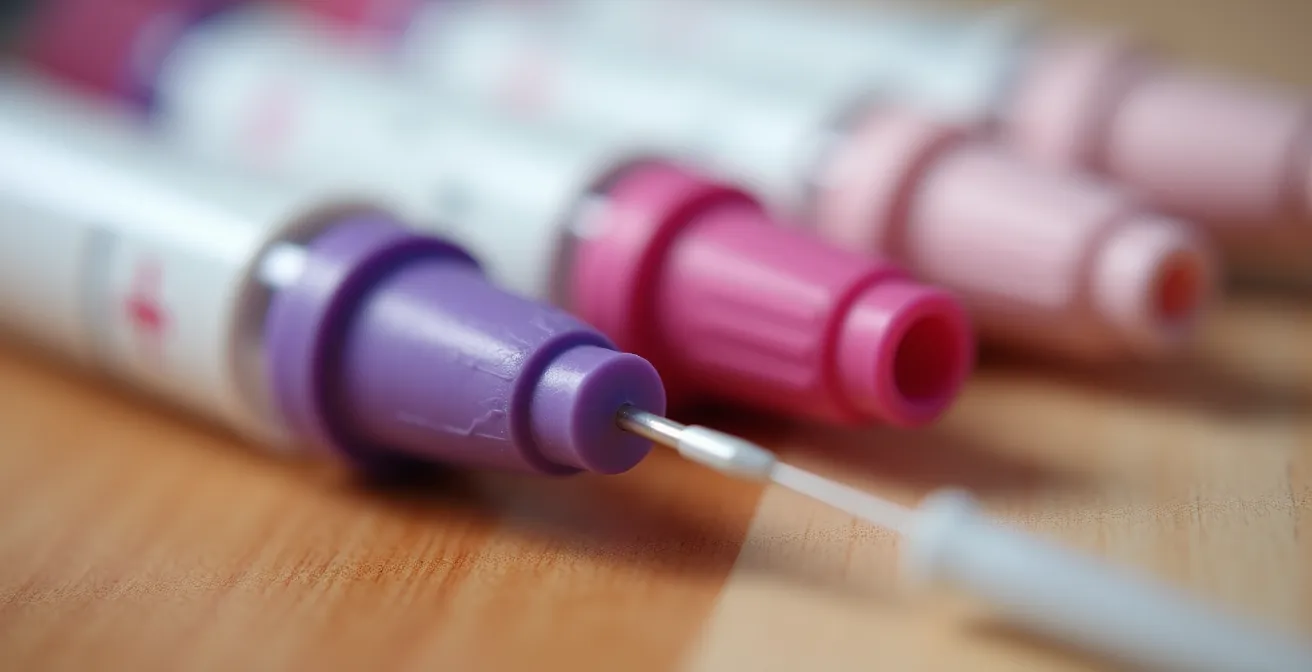
By taking the initiative to order tests based on their symptoms or family history, patients are no longer just passive recipients of care. They become investigators and collaborators. This is particularly crucial for “silent” conditions that may not present with dramatic symptoms but can be detected with specific markers, such as a hs-CRP test for inflammation, a HbA1c test for pre-diabetes, or a full thyroid panel (including T3 and T4) instead of just TSH. Bringing this objective data to a telehealth visit allows a remote physician to make a much more accurate and personalized assessment than would be possible from a conversation alone.
This proactive care model represents a fundamental shift. It leverages technology not just to connect, but to inform. It closes the information gap that often exists in remote healthcare and places the patient at the center of a more collaborative, effective, and ultimately more hopeful system of care.
For healthcare administrators and community leaders, the path forward is clear. The next step is to invest in digital health literacy programs and robust infrastructure that support this new, empowered model of patient care, ensuring that the promise of telemedicine becomes a reality for all rural residents.
Frequently Asked Questions About Telemedicine and Data Privacy
What’s the difference between HIPAA-compliant and truly private telehealth platforms?
HIPAA compliance is the legal minimum for protecting health information, but it doesn’t prevent companies from using anonymized data for research or marketing purposes. True privacy means the platform doesn’t monetize or share your data in any form.
Can free telehealth apps sell my health data?
Yes, many free apps monetize by aggregating and selling anonymized user data to pharmaceutical companies, insurance firms, and data brokers, even if they claim to be secure.
What security features should I look for in a telehealth app?
Look for end-to-end encryption, explicit privacy policies against data sharing, regular security audits, and clear statements about data retention and deletion policies.