Garden & Nature
Creating and maintaining a vibrant garden goes far beyond simply planting a few flowers or vegetables. It’s about understanding the intricate relationships between soil, plants, wildlife, and seasonal rhythms that together form a living ecosystem right outside your door. Whether you’re working with a sprawling backyard, a modest urban plot, or even a balcony filled with containers, the principles of connecting with nature through gardening remain universal and deeply rewarding.
This comprehensive resource explores the fundamental aspects of garden and nature management, from soil health and plant selection to fostering biodiversity and adapting your practices to natural cycles. You’ll discover practical insights that demystify gardening concepts and empower you to create outdoor spaces that are both beautiful and ecologically sound, regardless of your experience level.
Why Garden & Nature Matter in Modern Living
In an increasingly urbanized world, the connection between people and the natural environment has become more precious than ever. Gardens serve as vital bridges to the natural world, offering benefits that extend well beyond aesthetic appeal.
Environmental Benefits
Gardens function as miniature ecosystems that contribute to environmental health in measurable ways. A well-planned garden with diverse plantings can reduce local air pollution by capturing particulates and producing oxygen. Native plants and trees help manage stormwater runoff, reducing the burden on municipal drainage systems. Research indicates that urban green spaces can lower surrounding temperatures by several degrees, creating cooling microclimates that combat the heat island effect prevalent in built-up areas.
Personal Well-Being and Connection
The act of gardening offers profound benefits for mental and physical health. Regular gardening activities provide moderate exercise while reducing stress hormones and promoting mindfulness. Studies have consistently shown that spending time in gardens or natural settings can lower blood pressure, improve mood, and enhance cognitive function. For many people, nurturing plants creates a sense of purpose and accomplishment that’s increasingly rare in our digital-first world.
Understanding Your Garden Ecosystem
Every garden, regardless of size, operates as a complex ecosystem where countless interactions occur between living organisms and their physical environment. Recognizing these connections is the first step toward creating a thriving outdoor space.
The Web of Garden Life
Think of your garden as a community where every resident plays a role. Plants produce food through photosynthesis, providing sustenance for insects, which in turn become food for birds and other wildlife. Microorganisms in the soil break down organic matter, releasing nutrients that plants absorb. Even elements you might initially consider pests often serve important functions—aphids, for instance, support ladybug populations that help control other garden issues.
Microclimates Within Your Space
Your garden likely contains several distinct microclimates—areas with unique conditions based on sun exposure, wind patterns, and moisture levels. The south-facing wall of your home might create a warm, sheltered spot perfect for heat-loving plants, while a shaded corner under mature trees stays consistently cool and moist. Identifying these microclimates allows you to match plants to conditions where they’ll naturally thrive, reducing maintenance and increasing success rates.
Building Healthy Soil: The Foundation of Success
Experienced gardeners often say they don’t grow plants—they grow soil. This wisdom reflects a fundamental truth: healthy soil is the single most important factor in garden success, regardless of what you choose to plant.
Soil is far more than inert dirt. It’s a living medium teeming with billions of microorganisms, fungi, and tiny creatures that work together to break down organic matter, cycle nutrients, and create the structure plants need to anchor their roots and access water. A handful of healthy garden soil contains more living organisms than there are people on Earth.
Improving soil quality involves several key practices:
- Adding organic matter regularly through compost, aged manure, or leaf mulch to feed soil life and improve structure
- Minimizing soil disturbance to preserve beneficial fungal networks and soil architecture
- Testing soil pH and nutrient levels to understand specific needs rather than applying amendments blindly
- Using mulch to protect soil surface, retain moisture, and gradually contribute organic material as it breaks down
The texture of your soil—whether it’s sandy, clay-heavy, or somewhere in between—affects drainage and nutrient retention. While you can’t fundamentally change your soil type, adding organic matter over time improves any soil texture, making clay soils more workable and helping sandy soils retain moisture and nutrients more effectively.
Choosing and Caring for Plants
Plant selection represents one of the most enjoyable yet potentially overwhelming aspects of gardening. The key is matching plants to your specific conditions while considering your goals and available time for maintenance.
The Right Plant, Right Place Philosophy
This foundational principle saves countless hours of frustration and replaces struggling plants with thriving ones. Before selecting any plant, honestly assess your site conditions: how many hours of direct sunlight does the area receive? What’s the soil moisture level—does it stay consistently damp, dry out quickly, or fall somewhere in between? Is the location exposed to strong winds or protected?
Plants naturally adapted to your conditions will require minimal intervention once established. A shade-loving fern forced into full sun will demand constant attention and likely never flourish, while that same fern placed in a woodland-edge setting will spread and thrive with minimal care.
Native Plants and Biodiversity
Incorporating plants native to your broader region offers multiple advantages. Native species have evolved alongside local wildlife, providing precisely the nectar, pollen, seeds, and shelter that native insects, birds, and other creatures need. They’re adapted to local rainfall patterns and temperature extremes, typically requiring less supplemental watering and protection once established. Native plant gardens also help preserve regional plant diversity and support declining pollinator populations.
Seasonal Interest and Succession
Thoughtful gardens provide visual interest and ecological function throughout the year. Plan for succession by selecting plants that bloom or offer ornamental features at different times. Spring bulbs give way to early summer perennials, which transition to late-summer bloomers and fall foliage, followed by winter structure from seed heads and evergreen plants. This approach ensures your garden remains dynamic and provides continuous resources for wildlife.
Sustainable Practices for Long-Term Garden Health
Sustainability in gardening means creating systems that maintain themselves with minimal external inputs while supporting rather than depleting environmental resources.
Water Management
Water represents an increasingly precious resource in many regions. Sustainable water practices include collecting rainwater in barrels for later use, applying mulch to reduce evaporation, and watering deeply but less frequently to encourage deep root growth. Grouping plants with similar water needs—a technique called hydrozoning—allows you to irrigate efficiently without overwatering drought-tolerant species or under-watering moisture-lovers.
Closing the Loop with Composting
Composting transforms garden waste and kitchen scraps into valuable soil amendment, completing a natural cycle. Rather than sending leaves, grass clippings, and plant trimmings to landfills where they produce methane, composting returns these materials to your soil, improving its structure and fertility. A simple compost system requires only a designated area where you layer “green” materials (fresh plant matter, vegetable scraps) with “brown” materials (dry leaves, shredded paper) and allow natural decomposition to occur.
Chemical-Free Pest Management
Healthy garden ecosystems naturally regulate pest populations without synthetic pesticides. Encouraging beneficial insects like ladybugs, lacewings, and predatory wasps provides biological pest control. Accepting modest levels of plant damage—recognizing that some nibbled leaves indicate a functioning food web—reduces the impulse to intervene unnecessarily. When action is needed, targeted approaches like handpicking pests, using physical barriers, or applying organic solutions like insecticidal soap address specific problems without disrupting the broader ecosystem.
Welcoming Wildlife and Biodiversity
Gardens designed to support wildlife become infinitely more interesting and ecologically valuable. Creating habitat requires thinking about the resources different creatures need throughout their life cycles.
Consider incorporating these wildlife-friendly features:
- Diverse plant layers from ground covers to canopy trees, mimicking natural ecosystems
- Water sources such as birdbaths, small ponds, or even shallow dishes that provide drinking and bathing opportunities
- Shelter in the form of dense shrubs, brush piles, or purpose-built structures like bee hotels and birdhouses
- Year-round food sources through careful plant selection and leaving seed heads standing through winter
Resist the urge to create an overly tidy garden. Fallen leaves provide essential habitat for overwintering insects and salamanders. Standing dead plant stems offer nesting sites for native bees. A relaxed approach to garden maintenance often yields the greatest biodiversity benefits, while also reducing your workload—a perfect combination.
The journey into garden and nature is ultimately one of continuous learning and adaptation. Each season brings new observations, challenges, and opportunities to deepen your understanding of the living systems in your care. By focusing on soil health, choosing appropriate plants, embracing sustainable practices, and welcoming wildlife, you create outdoor spaces that are resilient, ecologically valuable, and deeply satisfying. Start with small steps, observe carefully, and allow your garden to become both a teacher and a sanctuary—a place where nature thrives and you find renewed connection to the rhythms of the living world.
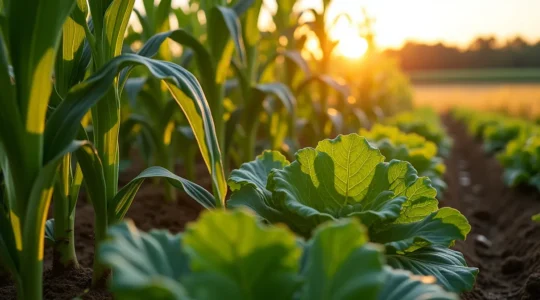
Three Sister Planting: Does Corn, Beans, and Squash Really Work?
The romantic tale of the Three Sisters often oversimplifies a complex ecological reality; true success lies not in a magic recipe, but in understanding the specific scientific mechanisms at play. The popular belief that beans directly “feed” corn nitrogen during…
Read more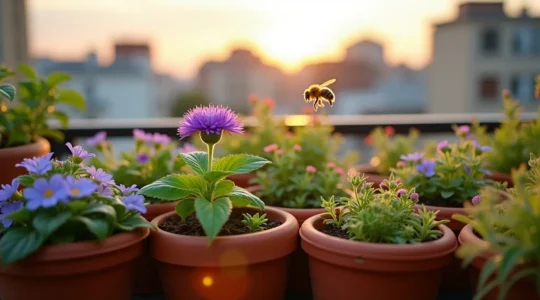
How to Create a Thriving Solitary Bee Haven on a Tiny Balcony?
Contrary to popular belief, simply putting up a bee hotel and some flowers can do more harm than good. Many commercial bee hotels are “ecological traps” that breed disease and attract parasites. Providing the wrong water source can be a…
Read more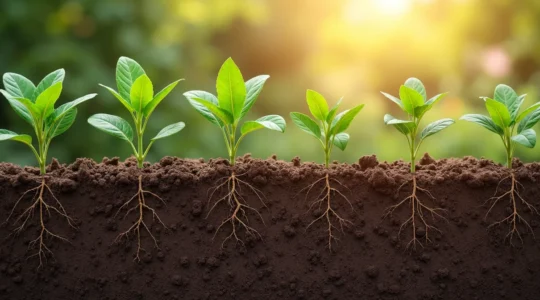
How to Fix Clay Soil Drainage Permanently (Without Endless Digging)
The secret to fixing heavy clay soil isn’t brute force, but understanding and applying soil physics. Chemical amendments like gypsum trigger flocculation, forcing tiny clay particles to clump together and create pore space for air and water. Biological “tools” like…
Read more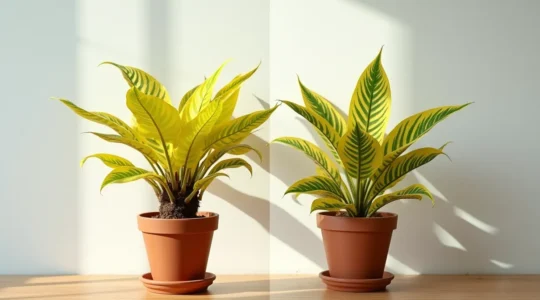
Yellow Leaves: Is It Overwatering or a Nutrient Deficiency?
In summary: Yellow leaves are a symptom, not a diagnosis. The location and pattern of yellowing are your most important clues. Overwatering is often the culprit, confirmed by a mushy stem and foul smell, indicating irreversible root rot. Nutrient deficiencies…
Read more
Why Does Your Compost Smell Bad? A Master’s Guide to Fixing It for Good
In summary: Bad compost smells are specific microbial distress signals, not a sign of total failure. An ammonia smell means too much nitrogen (greens); the immediate fix is adding more carbon-rich browns. A rotten egg smell means no air (anaerobic);…
Read more
Beyond the Spray Bottle: An IPM Scout’s Guide to Preventing Aphid Takeovers on Tomatoes
The best way to control aphids isn’t by spraying them, but by making your garden an inhospitable place for them to thrive in the first place. Healthy, living soil and a robust population of predator insects are a far stronger…
Read more
The Light Engineer’s Guide: How to Maximize Sunlight in a North-Facing Garden
The key to a productive north-facing garden isn’t just choosing shade-tolerant plants; it’s actively engineering your space to harvest every available photon of light. Reflective surfaces can act as secondary suns, boosting light on your plants by up to 40%….
Read more
Why Native Plants Survive Heatwaves When Exotics Die?
The survival of your garden in a heatwave isn’t about choosing ‘tough’ plants; it’s about building a resilient, self-sufficient ecosystem from the ground up. Native plants thrive by deploying specific root architectures and forming critical alliances with underground soil microbes….
Read more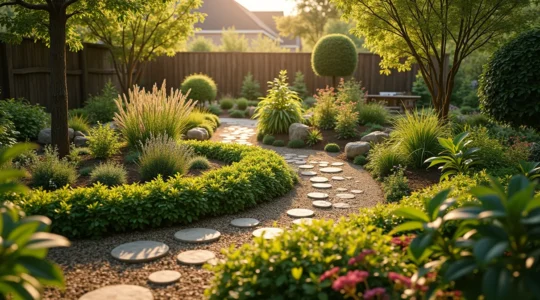
How to Garden Without Disrupting Local Wildlife Corridors?
The most effective way to help garden wildlife isn’t adding feeders or hotels, but stopping the ‘tidy’ habits that destroy their invisible world. Tilling and excessive cleaning sever vital underground and ground-level food webs that entire ecosystems depend on. Artificial…
Read more
Why Pruning in Autumn Can Kill Your Roses Before Spring?
Pruning roses in autumn is a biological betrayal that sentences them to death by triggering a fatal growth spurt just before winter. It breaks the plant’s essential dormancy cycle, forcing vulnerable new shoots that will be obliterated by the first…
Read more